The first scream didn’t sound like danger. It sounded like irritation — sharp, brittle, cutting through the warm afternoon air of Maple Grove Park.
Children had been laughing seconds before. A red rubber ball rolled across the walking path. A kite fluttered low between two trees. The park was alive — parents chatting, dogs tugging leashes, sunlight pouring through green leaves like liquid gold.
Then came the voice.
“HOW MANY TIMES DO I HAVE TO SAY IT — STOP SHOUTING!”
The laughter snapped off like a switch.
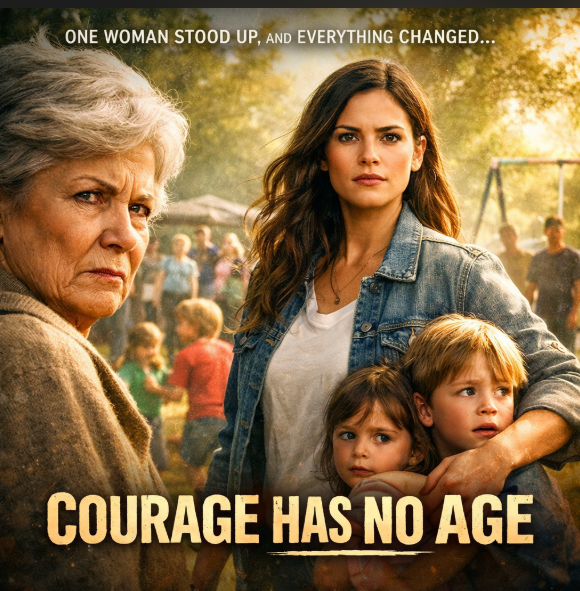
Five children near the swings froze. The smallest boy, no more than six, held a plastic dinosaur mid-air as if time had paused just for him. Standing over them was an older woman dressed in a stiff grey coat despite the heat. Her handbag hung from her arm like a weapon. Her lips were tight, eyes sharp, posture rigid with anger.
“Every day!” she snapped. “Noise, mess, chaos! This is a park — not a circus!”
She kicked their ball away. It bounced into a bush.
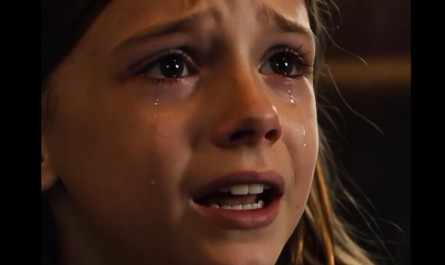
One little girl’s eyes filled instantly. Another child grabbed her hand.
Across the path, on a wooden bench, a young woman closed the book she wasn’t reading anymore.
Her name was Rhea.
She had come to the park for quiet — headphones in, tea beside her, trying to reset after a rough week at work. But her attention had been drifting toward the children’s laughter even before the shouting began. Now her jaw tightened.
The old woman bent down and snatched the dinosaur toy from the boy’s hand.
“No toys near the walking path! Can’t your parents teach you anything?”
The boy whispered, “We were just playing…”
“Don’t answer back!”
That was enough.
Rhea stood.
She didn’t rush. Didn’t storm. She walked with controlled purpose — the kind that carries more weight than anger. A few nearby adults noticed but didn’t move. People often wait for someone else to step in first.
Rhea stopped between the woman and the children.
“That’s enough,” she said calmly.
The older woman blinked, surprised someone had interrupted her authority. “Excuse me?”
“They’re children,” Rhea said. “They’re playing. That’s what parks are for.”
“They’re disturbing everyone!”
“I wasn’t disturbed,” Rhea replied evenly. “You are.”
A small circle of attention formed — joggers slowing, a couple with a stroller watching, a teenager lowering his phone.
The woman scoffed. “Young people think they can lecture anyone older now. No discipline, no respect.”
Rhea gently took the dinosaur from the woman’s hand and returned it to the boy. He held it like something rescued from danger.
“Respect goes both ways,” Rhea said.
The woman’s face flushed. “Who do you think you are?”
“Someone who doesn’t like seeing kids bullied.”
The word hit. Bullied.
The crowd shifted slightly closer.
“I am not a bully,” the woman snapped. “I am correcting behavior.”
“By yelling and grabbing toys?”
“They need to learn!”
Rhea glanced back at the children. “They’re learning right now — what courage looks like.”
The smallest girl squeezed Rhea’s fingers without realizing she’d reached for them.
The old woman noticed that — and something flickered behind her anger. Not guilt. Something older. Something bruised.
“You don’t understand,” she said, voice lower now. “Children grow wild if you let them.”
“Children grow scared if you crush them,” Rhea replied.
Silence stretched — not empty, but charged.
Then the woman did something unexpected.
Her shoulders dropped.
Not surrender — exhaustion.
“You think I enjoy shouting?” she said quietly. “You think this is fun for me?”
Rhea didn’t answer right away.
Because the anger in the woman’s voice had changed temperature. It was no longer fire. It was ash.
“My husband,” the woman continued, eyes fixed somewhere far away, “used to bring our son here. Same swings. Same noise. Same… chaos.” Her mouth trembled slightly. “He said laughter was proof of life.”
The crowd softened.
“He died three years ago,” she said. “My son moved away. Doesn’t call. Doesn’t visit. But every day at this hour, the noise starts — and it reminds me of what I lost.”
The confession hung in the sunlight.
The children didn’t fully understand — but they felt the shift.
Rhea’s tone changed too. Not weaker — warmer.
“Loss doesn’t give us permission to hurt others,” she said gently.
The woman nodded once. A small, stiff movement. Agreement disguised as pride.
“I know,” she whispered.
One of the boys stepped forward — brave in the innocent way only children are.
“You can sit with us,” he said. “We’re building a dinosaur city.”
A few adults smiled.
The woman stared at him — stunned — as if kindness were the last thing she expected to receive.
“I don’t… build cities,” she murmured.
“You can be the mayor,” the girl offered.
A ripple of laughter moved through the onlookers.
The woman looked at Rhea — asking silent permission she didn’t need.
Rhea smiled. “Mayors don’t yell at citizens.”
A pause.
Then — the smallest nod.
She sat.
Carefully. Awkwardly. Like someone lowering themselves into a memory.
The tension dissolved. Conversations resumed. Joggers ran again. The park breathed.
But the story didn’t end there.
Because conflict rarely disappears — it transforms.
Over the next week, Rhea kept seeing the woman — whose name turned out to be Mrs. D’Souza — at the park. The first day she only watched. The second day she held tape for a cardboard building. The third day she brought juice boxes — claiming she “had extra.”
By the seventh day, she was laughing.
Not loudly. Not freely yet. But undeniably.
And every time she laughed, she looked surprised by it.
One afternoon, while the kids were chasing bubbles, Mrs. D’Souza sat beside Rhea on the bench.
“You interfered,” she said.
“I did,” Rhea agreed.
“Thank you.”
“You’re welcome.”
Another pause — comfortable this time.
“I was a school principal,” Mrs. D’Souza added. “Forty years.”
“That explains the voice projection.”
A tiny smirk.
“I forgot something after retirement,” she said. “Control is not the same as care.”
Rhea nodded. “Most people learn that late. Some never.”
Mrs. D’Souza watched the children run. “You stepped in fast that day. No hesitation.”
“I was the kid once,” Rhea said quietly. “No one stepped in for me.”
That connected the last invisible thread.
Weeks later, the park community organized a small weekend event — games, music, food stalls. Someone printed a banner:
KIDS PLAY FREE DAY
Mrs. D’Souza donated the prizes.
She refused to stand on stage — but she clapped the loudest.
And when a new visitor complained about the noise, she was the one who said:
“It’s the sound of life. Let it be.”
Rhea heard it from across the field and smiled.
Because courage is contagious.
And sometimes the loudest defenders of joy are the ones who once tried to silence it.
End.